Introduction
When you turn on a hot water tap or switch on your central heating, you expect everything to work instantly. But have you ever wondered how your combi boiler knows whether to send hot water to your radiators or to your taps?
The answer is the diverter valve.
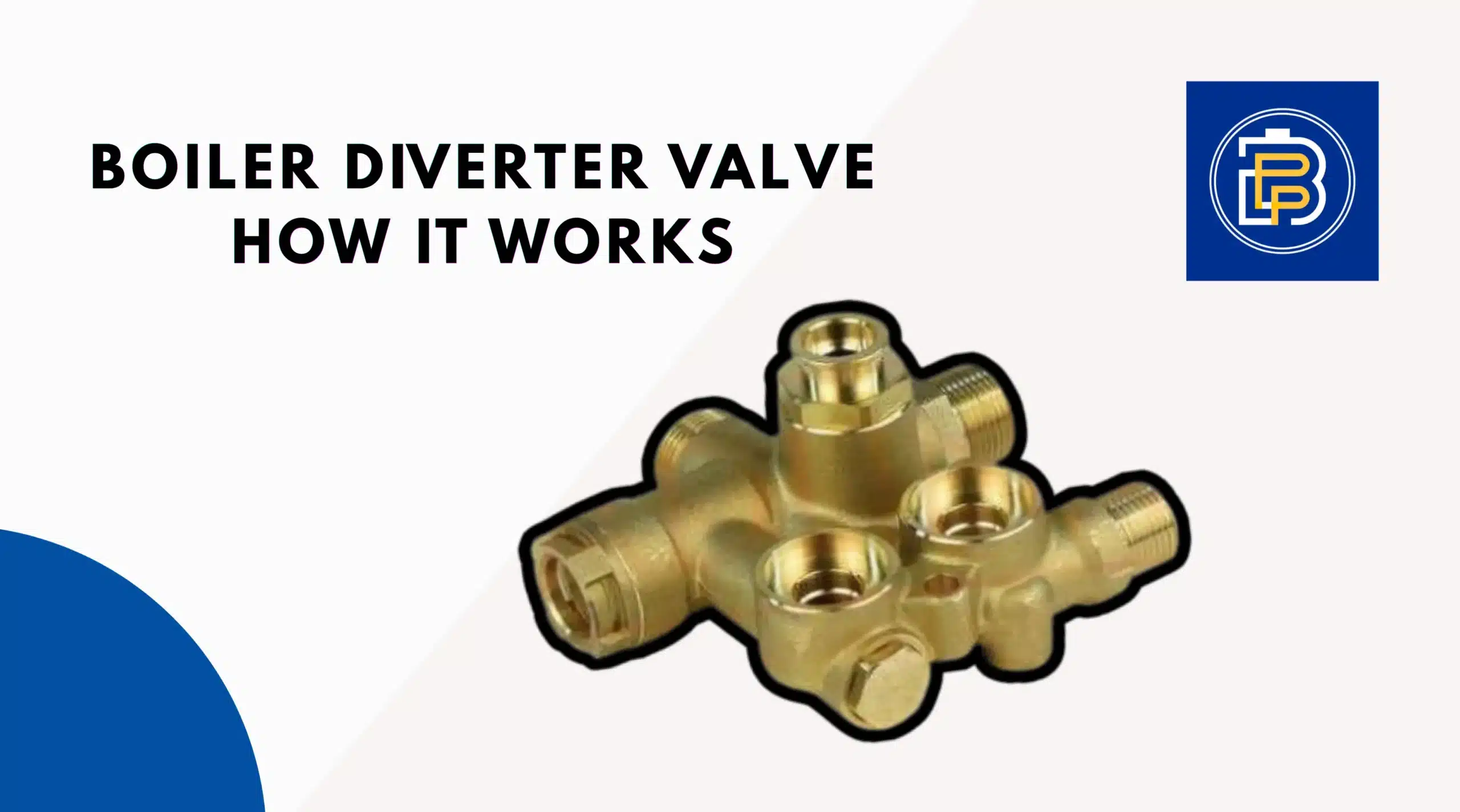
A diverter valve is one of the most important parts inside a combi boiler. It acts like a traffic controller, directing hot water to the right place at the right time. Without it, your boiler would not be able to provide hot water and heating efficiently.
In this guide, we’ll explain everything you need to know about a boiler diverter valve in simple terms.
What is a Boiler Diverter Valve?
A boiler diverter valve is a component found inside most combi boilers. Its job is to direct heated water to either:
- The central heating system (radiators)
- The domestic hot water system (taps and showers)
Since a combi boiler heats water only when needed, it must decide where the hot water should go. The diverter valve makes this decision automatically.
Think of it like a railway switch. Just as a railway switch sends a train onto the correct track, the diverter valve sends hot water to the correct part of your home.
Why is a Diverter Valve Needed?
Many people think a boiler simply heats water and sends it everywhere. In reality, that’s not how a combi boiler works.
A combi boiler has one heat source but serves two different jobs:
- Heating your radiators
- Supplying hot water to taps and showers
The boiler cannot provide full heating to both systems at exactly the same time. Therefore, it needs a mechanism to switch between them.
That’s why the diverter valve is necessary.
Without it:
- Your radiators and taps could receive incorrect water flow.
- Hot water performance would suffer.
- The boiler would operate inefficiently.
- The heating system would not respond properly.
How Does a Boiler Diverter Valve Work?
The working process is actually very simple.
Step 1: Heating Mode
- You switch on your central heating.
- The boiler heats water, and the diverter valve stays in the heating position.
- Hot water travels through the pipes and into your radiators, warming your home.
Step 2: You Open a Hot Water Tap
- When you open a hot water tap, the boiler immediately detects water flow.
- Within seconds, the diverter valve changes position.
- Instead of sending hot water to the radiators, it redirects the heated water to the plate heat exchanger so your tap or shower receives hot water.
Step 3: You Close the Tap
- Once you close the tap, the demand for hot water stops.
- The diverter valve automatically switches back.
- The boiler once again sends hot water to your radiators.
- This entire process happens automatically and usually within seconds.
What Components Are Connected to a Diverter Valve?
A diverter valve does not work alone. It is connected to several important components inside a combi boiler that help provide both central heating and instant hot water. The diverter valve acts like a traffic controller, deciding where the heated water should go.
Primary Heat Exchanger
The burner heats water inside the primary heat exchanger. This heated water then flows toward the diverter valve, which decides the next direction of flow.
Central Heating Circuit (Radiators)
One outlet of the diverter valve is connected to the central heating system. When your thermostat calls for heating, the valve directs hot water through the pipes to the radiators, warming your home.
Plate Heat Exchanger
Another outlet is connected to the plate heat exchanger. When you open a hot tap or shower, the diverter valve sends heated water to the plate heat exchanger, where it transfers heat to the domestic water supply without the two water circuits mixing.
Boiler Pump
The circulation pump pushes heated water through the boiler and toward the diverter valve. Without the pump, the hot water could not circulate through either the heating or hot water circuit.
Flow Sensor and Control System
When a hot water tap is opened, a flow sensor detects the demand and signals the boiler’s controls. The diverter valve then automatically changes position and gives priority to the hot water supply. Once the tap is closed, it switches back to the heating circuit.
What Does a Diverter Valve Do?
Its main functions include:
- Directs hot water to the correct destination
- Switches between heating and hot water
- Gives priority to hot water when a tap is opened
- Helps the boiler operate efficiently
- Improves user comfort
- Supports energy-efficient operation
Why is a Diverter Valve Important?
Although it is a relatively small component, it has a huge impact on boiler performance.
It helps:
1. Provide Instant Hot Water
When you open a tap, the valve quickly redirects heated water so you don’t have to wait long.
2. Heat Your Home Efficiently
When hot water isn’t required, the valve sends heated water to your radiators.
3. Save Energy
The boiler only heats water for the function currently in use, reducing unnecessary energy consumption.
4. Improve Boiler Performance
The diverter valve allows the boiler to operate smoothly and automatically without manual switching.
Where is the Diverter Valve Located?
- The diverter valve is located inside a combi boiler, usually close to the pump and heat exchanger.
- It is an internal component and should only be inspected or repaired by a qualified engineer.
Common Signs of a Faulty Diverter Valve
Like any moving component, a diverter valve can wear out over time.
Common symptoms include:
- No hot water from taps
- Hot water but cold radiators
- Heating works but taps only produce lukewarm water
- Radiators become warm when using hot water
- Hot water only works when central heating is on
- Boiler performance becomes inconsistent
These are common indicators that the valve may be stuck or failing.
What Causes a Diverter Valve to Fail?
Several factors can cause problems:
- Normal wear and tear
- Limescale buildup
- Dirt or sludge inside the heating system
- Worn seals
- Damaged internal cartridge
- Mechanical sticking
Regular servicing helps reduce these issues.
Can a Diverter Valve Be Repaired?
In many cases, yes.
An engineer may:
- Clean the valve
- Replace seals
- Replace the cartridge
- Replace the actuator or motor
- Install a new diverter valve if necessary
Because it is part of a gas appliance, repairs should always be carried out by a qualified heating engineer.
How to Keep Your Diverter Valve Working Properly
You can increase its lifespan by:
- Servicing your boiler every year
- Keeping the heating system clean
- Using inhibitor chemicals where recommended
- Fixing small faults early
- Having unusual noises or performance issues checked promptly
Regular maintenance can prevent expensive repairs.
Frequently Asked Questions
1. Does every boiler have a diverter valve?
No. Diverter valves are mainly found in combi boilers. System and regular boilers use different methods to supply heating and hot water.
2. Can a faulty diverter valve stop hot water?
Yes. A faulty valve may prevent hot water from reaching your taps or may only provide lukewarm water.
3. Can a faulty diverter valve affect central heating?
Yes. It may stop hot water from reaching the radiators or direct water to the wrong circuit.
4. How long does a diverter valve last?
Its lifespan depends on usage, water quality, and maintenance, but regular servicing helps it last longer.
Conclusion
The diverter valve is one of the most important components inside a combi boiler. It automatically directs heated water to either your radiators or your taps, ensuring your home has reliable heating and instant hot water. Although it works quietly in the background, a faulty diverter valve can cause several heating problems. Regular servicing and early repairs can keep your boiler running efficiently and help avoid costly breakdowns.